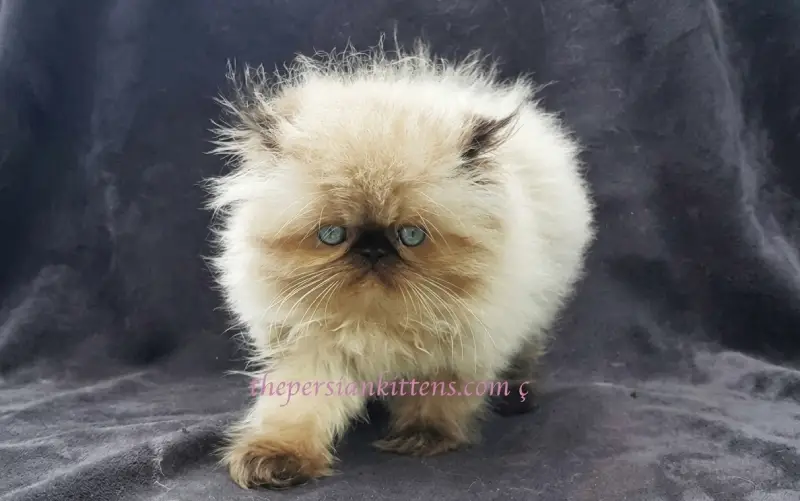
Persian kittens are known for their beautiful long coats, adorable faces, and gentle personalities. Their distinctive appearance also means they need a little extra attention compared with many short-haired cat breeds. With the right routine, caring for a Persian kitten can be simple and rewarding.
Regular Grooming Is Essential
A Persian kitten’s long coat can become tangled or matted if it is not brushed regularly. Gentle brushing helps remove loose hair, prevent knots, and keep the coat looking soft and healthy.
Start grooming while your kitten is young so they become comfortable with the process. Use a suitable cat brush and be gentle around sensitive areas. Short, positive grooming sessions can make the experience easier for both you and your kitten.
Keep the Face Clean
Persian cats can sometimes develop tear staining around the eyes. Gently cleaning the area with a soft, damp cloth can help keep the face clean. Avoid using harsh products or anything that has not been recommended for cats.
If you notice excessive discharge, redness, swelling, or other unusual symptoms, speak with your veterinarian.
Provide a Balanced Diet
Good nutrition is an important part of kitten development. Persian kittens need food that is specifically formulated for their age and growth stage. Follow feeding recommendations and provide fresh drinking water every day.
Avoid making sudden changes to a kitten’s diet. If you need to change their food after bringing them home, gradually introduce the new food to help prevent digestive problems.
Create a Comfortable Indoor Environment
Persian cats generally enjoy comfortable and peaceful indoor spaces. Give your kitten a safe area where they can sleep, play, eat, and use the litter box.
Interactive toys and gentle play sessions provide exercise and mental stimulation. Persian kittens may enjoy playtime but often appreciate plenty of opportunities to relax afterward.
Schedule Regular Veterinary Care
Routine veterinary visits are an important part of responsible kitten ownership. Your veterinarian can help you keep track of vaccinations, parasite prevention, dental health, weight, and overall development.
Keep your kitten’s health records organized and follow the recommended vaccination and check-up schedule.
Give Plenty of Love and Attention
Persian kittens are more than their beautiful appearance. They are affectionate companions that benefit from positive human interaction. Spend time talking to your kitten, playing with them, and allowing them to become comfortable with your family.
A consistent routine, nutritious food, regular grooming, veterinary care, and plenty of affection can help your Persian kitten grow into a happy and healthy companion.
The Persian Cats is dedicated to helping families understand the responsibilities and joys of welcoming a Persian kitten into their home.